
Мы используем cookie
Настройки cookie
Обязательные cookie всегда включены, так как они нужны для корректной работы сайта.
Аналитические cookie Яндекс.Метрики и статистики платформы Tilda можно включить или отключить. Они помогают нам видеть статистику посещений и улучшать сайт.
Аналитические cookie Яндекс.Метрики и статистики платформы Tilda можно включить или отключить. Они помогают нам видеть статистику посещений и улучшать сайт.
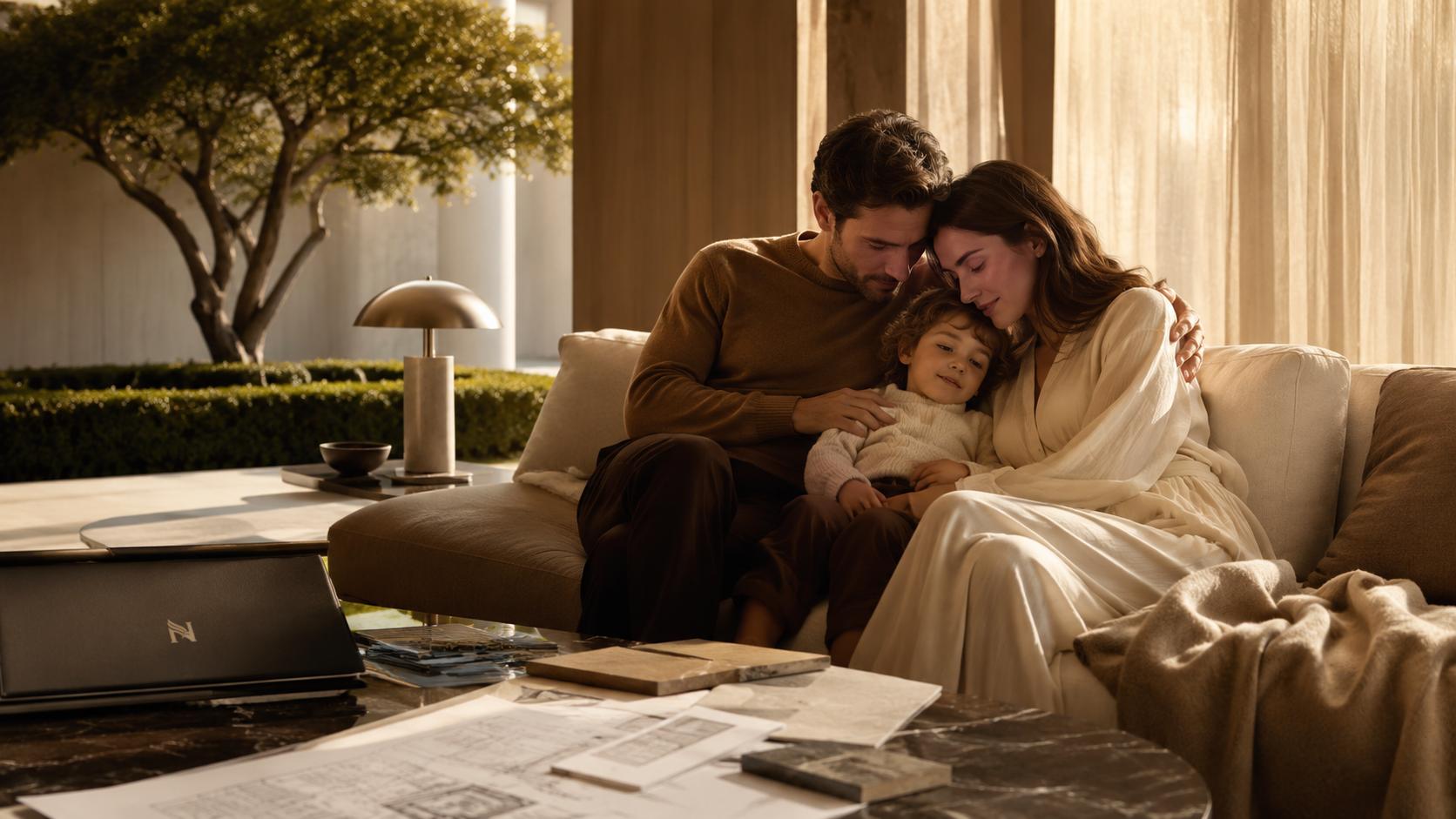
Insurance protection as the architecture of family love
Gathering scene.
At a family meeting, the conversation about insurance almost always changes the air. Before this, you can calmly discuss goals, portfolio, children’s education, home, business, income. But as soon as the conversation turns to illness, death, disability, or the unavailability of the main person, someone is bound to look away.
Sometimes the phrase is heard: “I don’t want to think about it.” Sometimes: "Let's not attract." Sometimes a person jokes to quickly get through the topic. Sometimes the second partner is simply silent because he has been thinking about it for a long time, but does not know how to start.
Insurance protection seems to be a bad topic.
In fact, this topic is about the good that the family wants to preserve.
At a family meeting, the conversation about insurance almost always changes the air. Before this, you can calmly discuss goals, portfolio, children’s education, home, business, income. But as soon as the conversation turns to illness, death, disability, or the unavailability of the main person, someone is bound to look away.
Sometimes the phrase is heard: “I don’t want to think about it.” Sometimes: "Let's not attract." Sometimes a person jokes to quickly get through the topic. Sometimes the second partner is simply silent because he has been thinking about it for a long time, but does not know how to start.
Insurance protection seems to be a bad topic.
In fact, this topic is about the good that the family wants to preserve.
Mature insurance architecture begins not with a policy, but with the question: what in the life of a family cannot be lost in one blow?
Children's education. House. Ability to pay obligations. The dignity of the second partner. Treatment. Time to recover. The ability not to sell assets in a panic. A business that needs a period of transition. Parents who need support. A family plan that doesn't have to die with one person's income.
If you look at it this way, insurance protection ceases to be a purchase of a product. It becomes the architecture of love. Not sentimental. Practical.
Children's education. House. Ability to pay obligations. The dignity of the second partner. Treatment. Time to recover. The ability not to sell assets in a panic. A business that needs a period of transition. Parents who need support. A family plan that doesn't have to die with one person's income.
If you look at it this way, insurance protection ceases to be a purchase of a product. It becomes the architecture of love. Not sentimental. Practical.
Love often says: “I will do anything for the family.” Architecture asks: What will the family do if you are temporarily or permanently unable to do everything?
This is an unpleasant question. But it's honest.
This is an unpleasant question. But it's honest.
In wealthy families, insurance coverage is sometimes perceived as unnecessary. There are assets, business, real estate, connections, opportunities. Wealth itself seems to be protective.
But assets are not always available. A business may depend on a person being sick. Real estate cannot be quickly and calmly sold at a time of pressure. The investment may be in the wrong market. The legal structure can take time. Relatives may not know what to do.
Capital without a protective circuit may appear strong until immediate stability is required.
But assets are not always available. A business may depend on a person being sick. Real estate cannot be quickly and calmly sold at a time of pressure. The investment may be in the wrong market. The legal structure can take time. Relatives may not know what to do.
Capital without a protective circuit may appear strong until immediate stability is required.
Not everyone needs insurance coverage in the same amount and not always in the same form. This is not a one-size-fits-all recipe. It is important to count, check conditions, compare solutions and work with professionals. But the architectural question is the same: what family goals must be protected even when the main source of power has temporarily disappeared?
A strong insurance architecture is not built out of fear. It is built from goals. First, the family determines what needs to be preserved. Then it looks at what events can destroy it. After this, it determines what money should appear, at what moment, from whom, under what conditions, in what jurisdiction, with what documents and access. And only then does he choose the tools.
A strong insurance architecture is not built out of fear. It is built from goals. First, the family determines what needs to be preserved. Then it looks at what events can destroy it. After this, it determines what money should appear, at what moment, from whom, under what conditions, in what jurisdiction, with what documents and access. And only then does he choose the tools.
For families with an international capital structure, the insurance architecture may be more complex: individual insurance covers, key person solutions, business protection mechanisms, transfer tools and international circuits. But complexity alone does not make a defense mature. The more complex the tool, the more important it is to check what family problem it solves and who can use it on the right day.
It is important here not to confuse the role of the Architect and the role of the insurance specialist. MN SAPIENS does not select a policy for the family and does not replace professional insurance, tax or legal review. Our task is different: to ask the right questions before choosing a tool.
What purpose must be protected? Who will get the money? When? In what jurisdiction? With what exceptions? What are the tax consequences? What happens if the family only learns about the details in a moment of crisis?
If you start with a tool, it is easy to buy not protection, but reassurance.
It is important here not to confuse the role of the Architect and the role of the insurance specialist. MN SAPIENS does not select a policy for the family and does not replace professional insurance, tax or legal review. Our task is different: to ask the right questions before choosing a tool.
What purpose must be protected? Who will get the money? When? In what jurisdiction? With what exceptions? What are the tax consequences? What happens if the family only learns about the details in a moment of crisis?
If you start with a tool, it is easy to buy not protection, but reassurance.
There may be a policy. But the question is: does it correspond to the real cost of risk? Who is the recipient? How quickly will the family receive the money? Does the other partner understand what to do? Does the protection conflict with inheritance, tax or ownership structures? Are the purposes for which the policy is issued protected?
Sometimes insurance coverage is needed not because the family is poor. But because the family does not want to turn the crisis into a sale.
There is a big difference between “we have assets” and “we have money that will appear at the right time, to the right person, for the right purpose.”
Sometimes insurance coverage is needed not because the family is poor. But because the family does not want to turn the crisis into a sale.
There is a big difference between “we have assets” and “we have money that will appear at the right time, to the right person, for the right purpose.”
In HFWP, the insurance loop is related to cash flow, investment policy, business, legal structure, access and continuity. It doesn't live alone. If insurance is not connected to the rest of the architecture, it may appear to be a formality.
It is important for a family not just to “be insured.” It is important for her to understand what exactly is protected. Sometimes this is the life of children after loss of income. Sometimes the business owner's recovery period. Sometimes the partner's ability not to depend on the urgent decisions of relatives or creditors. Sometimes it's time not to sell an asset at a bad time.
Insurance in this view is not about how a person leaves. It's about how his family will live in the future.
It is important for a family not just to “be insured.” It is important for her to understand what exactly is protected. Sometimes this is the life of children after loss of income. Sometimes the business owner's recovery period. Sometimes the partner's ability not to depend on the urgent decisions of relatives or creditors. Sometimes it's time not to sell an asset at a bad time.
Insurance in this view is not about how a person leaves. It's about how his family will live in the future.
The final question is simple and hard: if the main source of income disappears tomorrow, what family goals should continue without heroism?
If there is no answer, it is not alarm that the family needs. It needs a security architecture.
If there is no answer, it is not alarm that the family needs. It needs a security architecture.
We use cookies
Cookie settings
Essential cookies are always enabled because they are required for the website to work correctly.
Analytical cookies from Yandex Metrica can be enabled or disabled.
Analytical cookies from Yandex Metrica can be enabled or disabled.
